
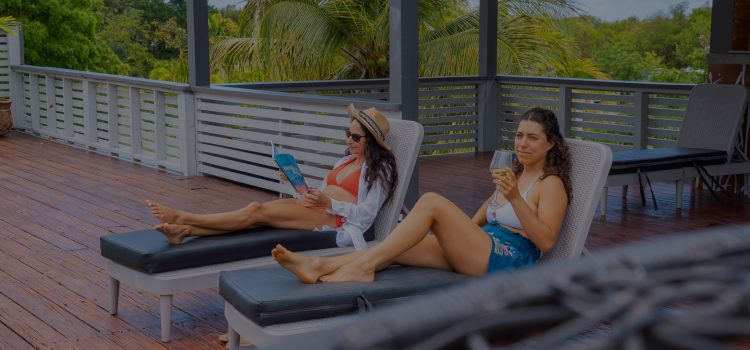
Your Peaceful Caribbean Escape for Relaxation
South Coast Horizons Antigua: Your Peaceful Caribbean Escape for Relaxation, Nature, and Affordable Comfort
When people think of Antigua, they often picture bustling beaches, lively resorts, and vibrant nightlife. Those experiences certainly have their place, but there is another side of the island waiting to be discovered — one where nature sets the pace, the ocean breeze greets you each morning, and tranquility is simply part of everyday life.
Welcome to South Coast Horizons, a peaceful eco-retreat nestled along Antigua’s beautiful southern coastline. With comfortable self-catering accommodations, breathtaking natural surroundings, and easy access to some of the island’s most remarkable attractions, it is the perfect destination for travelers seeking an authentic Caribbean experience away from the crowds. Whether you are planning a romantic getaway, a solo wellness retreat, a family vacation, or a longer stay to truly immerse yourself in island life, South Coast Horizons gives you everything you need to relax, recharge, and reconnect with nature.
Comfortable Accommodation Designed for Every Traveler
At South Coast Horizons, every accommodation is thoughtfully designed to offer comfort, privacy, and flexibility. Guests can choose from spacious self-catering villas, ideal for families, couples, and long-term visitors who enjoy the convenience of preparing their own meals. Each villa offers the comforts of home while allowing guests to experience Antigua at their own pace.
For those who would rather wake up to stunning coastal scenery, the affordable ocean-view suites provide beautiful views of the Caribbean Sea without the premium price tag so often attached to beachfront accommodations — the perfect balance of comfort, value, and breathtaking scenery. And if privacy is what you are after, the secluded garden studio offers a quiet sanctuary surrounded by lush tropical gardens, making it an excellent choice for solo travelers, couples, writers, artists, or anyone looking for a peaceful escape immersed in nature.
No matter which accommodation you choose, you will enjoy a relaxing atmosphere where the sounds of birds, gentle breezes, and rustling trees replace the noise of busy tourist districts.
Escape the Crowds and Experience the Real Antigua
One of the greatest advantages of staying at South Coast Horizons is its peaceful location. Unlike larger resort areas filled with crowds and constant activity, this hidden gem gives guests the chance to experience a slower, more authentic side of Antigua.
Here, mornings begin with spectacular sunrises and fresh island air. Days are spent exploring nature, enjoying nearby beaches, or simply unwinding with a good book beneath the shade of tropical trees. Evenings invite you to watch the sky transform into brilliant shades of orange, pink, and purple as the sun sets over the horizon. It is the perfect destination for travelers looking to disconnect from busy schedules, reduce stress, and enjoy quality time with loved ones — or simply with themselves.
Relax and Unwind by the Pool
Every great vacation includes time to simply do nothing, and South Coast Horizons makes that easy. The property’s inviting swimming pool is the perfect place to cool off after a day of adventure or to spend an entire afternoon lounging under the Caribbean sun. Whether you are enjoying a refreshing swim, reading your favorite book poolside, or sipping a tropical drink while listening to nature, the pool area offers a calm, relaxing atmosphere that encourages you to slow down and savor every moment.
Explore Nature Along the Private Boardwalk
Nature is at the heart of the South Coast Horizons experience. One of the property’s most unique features is its private boardwalk, which allows guests to immerse themselves in Antigua’s coastal ecosystem. Meandering through wetlands and mangroves, it offers a peaceful setting for morning walks, birdwatching, photography, or quiet reflection.
The surrounding habitats are home to a variety of bird species and other wildlife, so every walk becomes a chance to observe the island’s incredible biodiversity. Whether you are an avid birdwatcher or simply someone who appreciates beautiful landscapes, the boardwalk offers an unforgettable way to connect with nature — a reminder that some of the best vacation experiences aren’t rushed, but discovered one peaceful step at a time.
Embrace Wellness in Nature
South Coast Horizons is also the perfect destination for travelers looking to prioritize their well-being. The property’s expansive lawn provides an idyllic setting for sunrise yoga, meditation, stretching, or light exercise. Begin your morning with the gentle sounds of nature as the first rays of sunlight illuminate the landscape, or unwind in the evening with sunset yoga beneath Antigua’s colorful skies.
The peaceful environment encourages mindfulness, helping guests leave behind the pressures of everyday life while embracing balance, relaxation, and renewal. Whether you are an experienced yogi or simply enjoy exercising outdoors, the open green spaces offer endless opportunities to move your body while surrounded by nature.
The Ideal Base for Exploring Antigua
While South Coast Horizons offers everything needed for a peaceful retreat, its location also makes it an excellent base for discovering the island’s natural attractions and outdoor adventures. Guests can enjoy nearby hiking trails, pristine beaches, birdwatching opportunities, mangrove kayaking, snorkeling excursions, and scenic drives along Antigua’s picturesque southern coastline. After a day of exploration, you return to the comfort and tranquility of your accommodation, far from the noise and crowds. It is the best of both worlds: adventure when you want it, and complete relaxation when you need it.
Discover a Different Side of Antigua
South Coast Horizons is more than just a place to stay — it is an invitation to experience Antigua differently. Here, affordable accommodation, breathtaking ocean views, peaceful gardens, and unspoiled nature come together to create an unforgettable escape. It is where travelers can slow down, reconnect with the natural world, and enjoy genuine Caribbean hospitality in a setting that feels both welcoming and restorative.
If you are searching for peaceful accommodation in Antigua, affordable ocean-view suites, self-catering villas, or a quiet nature retreat away from the tourist crowds, South Coast Horizons offers an experience unlike any other. Leave the busy resorts behind and discover a place where every sunrise inspires, every sunset soothes, and every stay becomes a cherished memory.
Book your stay at South Coast Horizons and experience the quieter, more beautiful side of Antigua — where comfort, nature, and relaxation come together in perfect harmony.
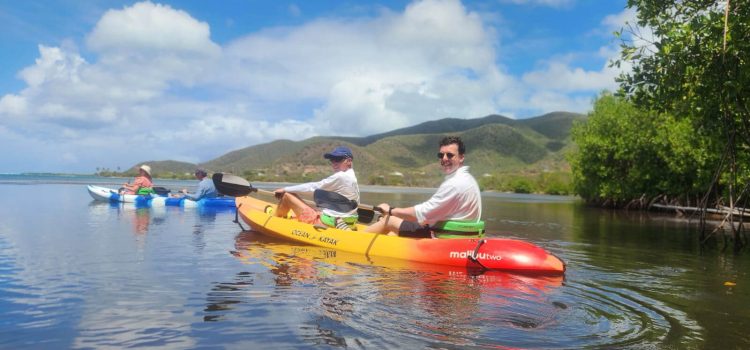
Adventure and Activities
If you’re craving more than just a beach escape, South Coast Horizons offers a gateway into the wild, living heart of the Caribbean, where every day invites you to explore, discover, and reconnect with nature in meaningful ways. Set along a pristine coastline framed by mangroves, wetlands, and vibrant marine ecosystems, adventure here isn’t rushed or manufactured—it’s intentional, immersive, and deeply rooted in the environment.
Mornings often begin on the water. Glide through calm mangrove channels by kayak, where the world slows to the rhythm of your paddle. The stillness is broken only by the flutter of wings overhead or the gentle ripple of fish below. These wetlands are more than scenic, they’re alive with biodiversity, offering a rare opportunity to witness birds, marine life, and plant systems coexisting in perfect balance. It’s a peaceful, almost meditative experience, but one that’s deeply alive with biodiversity and purpose.
For those drawn to the sea, snorkeling reveals another layer of wonder. Just beyond the shoreline, coral reefs teem with life as colorful fish, intricate coral formations, and the occasional sea turtle move gracefully through the currents. It’s a reminder that beneath the surface lies an entire world waiting to be respected and protected.
Then, just a short trip offshore, the adventure shifts.
At Cades Reef, the underwater world opens up in a burst of color and movement. Known as one of Antigua’s most vibrant barrier reefs, it’s home to a diverse array of marine life. Slip beneath the surface and you’ll find yourself surrounded by schools of tropical fish, intricate coral formations, and the occasional sea turtle gliding effortlessly through the reef.
The contrast between the stillness of the mangroves and the energy of the reef makes this experience truly special—two ecosystems, both vital, both breathtaking, and both connected in ways that sustain life above and below the water.
Tucked away on the southwest coast of Antigua and Barbuda, South Coast Horizons offers a seamless blend of adventure and tranquility, where mangrove kayaking and snorkeling at Cades Reef create the perfect day of exploration. Whether you’re an avid adventurer or simply looking to immerse yourself in nature, this pairing of mangrove kayaking and reef snorkeling offers more than just activity—it offers perspective, because here, every paddle stroke and every dive beneath the surface brings you closer to the heartbeat of the Caribbean.
For those seeking a deeper connection to the island beyond its beaches, an authentic island safari with South Coast Horizons offers a journey into the true spirit of Antigua and Barbuda.
This isn’t your typical tour—it’s an immersive experience that takes you off the beaten path and into the landscapes, communities, and stories that define the island. Traverse rugged backroads, coastal viewpoints, and hidden corners where the rhythm of local life unfolds naturally.
Along the way, you’ll encounter sweeping vistas of rolling hills and turquoise waters, stopping at scenic lookouts that capture the raw beauty of the Caribbean. But beyond the views, the safari invites you to engage with the island’s culture—its history, traditions, local cuisine, and the people who bring it to life.
Discover lesser-known natural sites, learn about native flora and fauna, and gain insight into the importance of preserving these environments for future generations. Each stop is intentional, blending adventure with education and appreciation.
Whether you’re exploring historic landmarks, sampling local flavors, or simply soaking in the untouched beauty of the landscape, every moment feels grounded and real. An island safari with South Coast Horizons is more than a tour—it is an invitation to experience the Caribbean authentically, to see beyond the surface, and to leave with a deeper understanding of the island’s soul.
On land, solo nature walks and boardwalk tours (popular with the kids) invite you to explore the surrounding ecosystems up close. Learn about the importance of mangroves, spot native and migratory bird species, and gain insight into ongoing conservation efforts. These experiences are designed not just to show you nature but to also help you understand your place within it.
Adventure here also means connection—to the land, to the community, and to yourself. Whether you’re birdwatching at sunrise, capturing the golden hues of sunset over the lagoon, or simply pausing to take in the stillness, every moment feels intentional.
At South Coast Horizons, adventure isn’t about adrenaline—it’s about awareness. It’s about choosing experiences that leave a positive impact, supporting conservation, and embracing a slower, more conscious way of travel. Because sometimes, the greatest adventure is learning to see the world differently.

Eco-Tourism & Nature
The Caribbean has always been known for its turquoise waters and endless sunshine, but beyond the postcard beauty lies something even more valuable: a fragile ecosystem that deserves care, respect, and protection. At our eco-friendly resort, sustainability is not a trend; it is a way of life. Here at the south of the island, every experience is designed to connect guests with nature while preserving the landscapes, wildlife, and culture that make the Caribbean truly extraordinary. From kayak excursions through coastal wetlands to locally sourced cuisine and conservation-driven tours, staying here means becoming part of a story where travel gives back to the place you’ve come to enjoy.
View our available tours
Snorkeling adventures introduce guests to Antigua’s vibrant underwater world, where coral reefs support an incredible diversity of marine species. Guided tours emphasize reef-safe practices, helping visitors understand how small actions such as avoiding contact with corals and using reef-friendly sunscreen contribute to the long-term health of marine ecosystems.
Nature walks and eco-safaris provide opportunities to explore Antigua’s landscapes beyond the beach, highlighting native plants, birdlife, historic sites, and the ecological importance of coastal and inland habitats. These experiences encourage a slower pace of travel, allowing guests to fully appreciate the island’s biodiversity and natural beauty.
Gliding through calm, sheltered waters, visitors enter a world where nature thrives undisturbed. Mangroves serve as nurseries for juvenile fish, shelter for birds, and natural protection for coastlines against erosion and storm surge. The stillness of a kayak makes it possible to observe wildlife up close, from herons and egrets resting along the roots to marine life moving beneath the surface, without disrupting the delicate balance of the ecosystem.
What makes this eco tour unique is the opportunity to learn while exploring. Guided tours share insight into how mangroves filter water, support fisheries, and help protect Antigua’s shores from the impacts of climate change. Guests leave not only with memorable experiences but also with a deeper understanding of why these environments are vital to island life.
Few experiences capture the spirit of eco-tourism in Antigua quite like kayaking through the mangroves. Kayaking is more than an activity; it is a reminder that the best way to experience nature is gently. By choosing low-impact adventures like kayaking, visitors become part of a form of travel that celebrates preservation, connection, and respect for the environment that makes Antigua so extraordinary.
For guests, low-impact living offers something unexpected; a deeper sense of calm. Surrounded by nature and free from unnecessary excess, visitors experience Antigua as it was meant to be: unhurried, immersive, and respectful of the environment that makes it so special.
Water conservation practices, responsible waste management, and reduced single-use plastics are integrated into daily operations, ensuring that sustainability is not only visible but functional. Landscaping often prioritizes native plants that require less water and provide habitat for local birdlife and pollinators, allowing the accommodation itself to support biodiversity.
Bird watching at South Coast Horizons offers guests a chance to slow down and experience Antigua through sound, movement, and observation. Surrounded by coastal wetlands, mangroves, and shoreline habitats, the area provides an ideal environment for spotting a variety of resident and migratory bird species that depend on these ecosystems for feeding, nesting, and shelter.
What makes the experience even more engaging is the use of the Merlin Bird ID and eBird apps. With Merlin, guests can identify birds by sight or sound, turning every call or movement in the trees into a learning opportunity. The app helps beginners and experienced birders alike recognize species in real time, making birdwatching more interactive and accessible.
The eBird app adds another layer to the experience by allowing guests to log sightings and contribute to global citizen science. Each recorded observation helps scientists and conservationists better understand bird populations, migration patterns, and habitat use across the Caribbean. In this way, a simple morning walk or kayak becomes part of a larger conservation effort.
At South Coast Horizons, birdwatching is more than a quiet pastime. It is an invitation to connect with Antigua’s biodiversity while supporting awareness and protection of the habitats that sustain it. Guests leave not only with photographs and memories, but with a deeper appreciation for the role birds play in maintaining healthy coastal ecosystems.
At South Coast Horizons Antigua, experiences are designed to bring guests closer to the island’s natural rhythms while encouraging responsible exploration. Rather than simply observing nature, visitors are invited to engage with it in meaningful and respectful ways.
Guests don’t just visit; they engage. Whether exploring mangrove ecosystems, snorkeling Cades Reef or joining guided nature tours, each moment encourages a deeper appreciation for the natural balance that sustains island life.
View our available tours
Our Eco System

Mangroves at South Coast Horizons
South Coast Horizons distinguishes itself by providing the most comprehensive information about the ecosystem on our tours. We are committed to preserve, protect and enhance the marine environment. The mangrove lagoon is rich in marine, bird and animal life.
There are four species of mangroves at South Coast Horizons:
White Mangrove
White Mangrove has no outstanding root structures and tends to have less stringent habitat requirements than either red or black mangroves. The bark of this species is white.
Black Mangroves
Black Mangrove sprouts pneumatophores which protrudes from the soil.
Red Mangroves
Red Mangrove occupies more than 95% of our lagoon and can be identified by its long prop roots and circular rubbery leaves.
Buttonwood Mangroves
Buttonwood Mangrove can appear in bush or tree forms and prefers less saline environments. As a result, this species is found the furthest distance from the coast. This type of mangrove has very small button-like fruit.
BENEFITS & THREATS
Mangrove swamps fulfill certain important economic and environmental functions for countries across the world. These functions include provision of wood and non-wood forest products; coastal protection against the effects of waves, wind, and water currents; conservation of biological diversity, including a number of endangered mammals, reptiles, amphibians and birds; protection of coral reefs and sea-grass beds against siltation; and provision of habitat, spawning grounds, and nutrients for a multitude of fish and shellfish
Despite the incredible value that these ecosystems provide, mangrove forests are continuing to be destroyed and degraded at a rate of about 1% per year as a result of land use change, exploitation, coastal development and climate change.
Help us Protect the Eco-system
This would follow by photo (introducing SCH) to contain information boxes as seen on the link I shared:
OVERFISHING / OVERHARVESTING
Mangroves are at high risk from unsustainable practices like overfishing and over-harvesting, leading to their destruction.
CLIMATE MITIGATION
Mangrove forests serve a critical role in climate regulation and climate change mitigation. The trees/shrubs themselves, as well as the soil beneath them, serve as highly effective carbon sinks and storage sites.
BIODIVERSITY
The unique role of the mangrove forest as the interface between coastal and terrestrial ecosystems enables it to provide a wide array of habitats and thus support a huge diversity of species.
IMPROVED FISHERIES/FISH PRODUCTION:
Mangroves serve as a nursery ground for many species of juvenile fish, including some commercially important species, thus contributing to food security, local livelihood sustainability and biodiversity.
INCREASED HUMAN WELLBEING
Mangroves contribute significantly to the human wellbeing of the coastal communities that they adjoin.